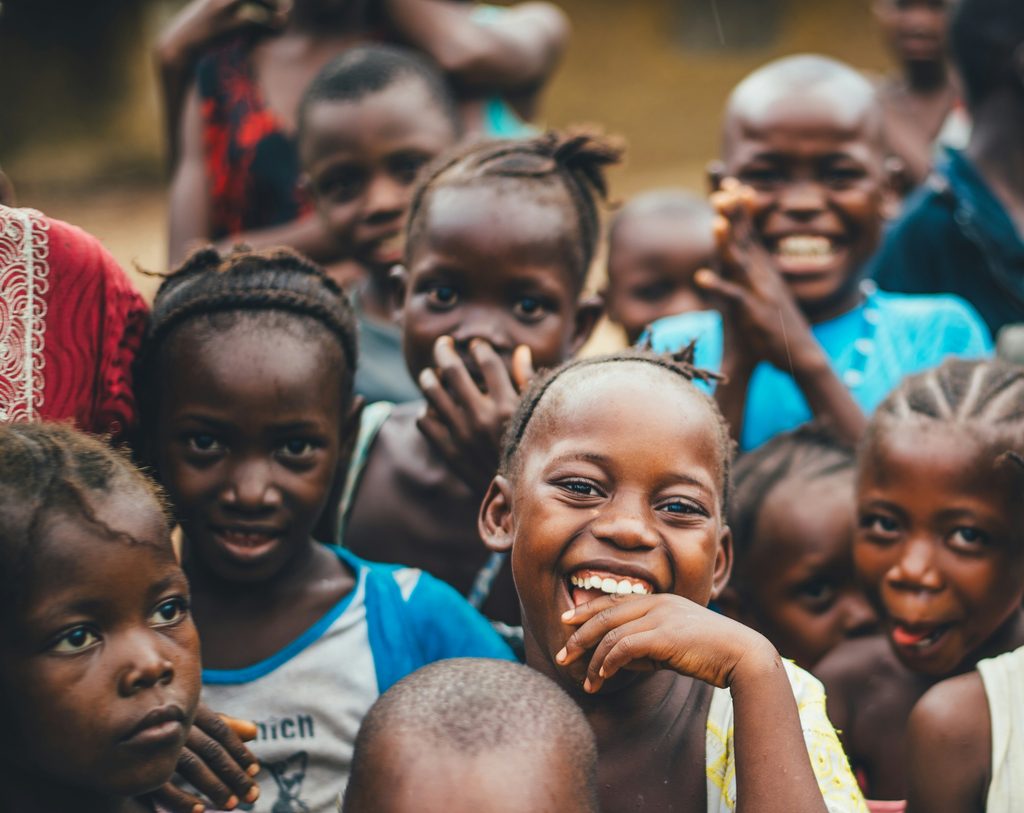
Every child deserves the opportunity to grow up in a safe environment, receive an education, discover their abilities, and build a future filled with hope. Yet, for many children, the journey toward a better life is made difficult by poverty, limited educational opportunities, inadequate support, and circumstances beyond their control. Addressing these challenges requires more than good intentions. It requires compassion, collective responsibility, and a commitment to creating opportunities that allow children to thrive.
This is where Child Upgrade Charity Initiative (CUCI) comes into the conversation. As a child-focused charity initiative, CUCI represents a commitment to the importance of child welfare, development, protection, and the opportunities every child deserves. Its introduction provides an opportunity to highlight a fundamental truth: investing in children is one of the most meaningful ways to contribute to a better society.
Children are not simply the leaders of tomorrow. They are individuals with rights, needs, talents, and dreams today. Their experiences during childhood can influence their confidence, education, relationships, and opportunities throughout life. When children receive appropriate care, guidance, protection, and encouragement, they are better positioned to develop their potential and participate positively in their communities.
Through its child-focused purpose, Child Upgrade Charity Initiative seeks to bring attention to the importance of improving children’s lives and supporting their future. This introductory article explores why child welfare matters, the challenges vulnerable children may experience, the role of education and empowerment, and how individuals and communities can contribute to a future where every child has a fairer opportunity to succeed.
About Child Upgrade Charity Initiative (CUCI)
Child Upgrade Charity Initiative (CUCI) is a child-focused charity initiative centred on the importance of children’s welfare, development, and future opportunities. Its identity reflects a broader commitment to recognising children’s needs and encouraging positive change in the circumstances that influence their growth and well-being.
The word upgrade offers a useful way to understand the importance of child development. Improving a child’s future does not mean changing who that child is. Instead, it means helping to create conditions in which the child can learn, grow, feel protected, develop confidence, and discover opportunities that might otherwise remain out of reach.
For one child, progress may begin with access to educational resources. For another, it may involve receiving appropriate guidance, having a supportive adult to turn to, or growing up in a community that recognises the importance of children’s rights and protection. Every child’s circumstances are different, and meaningful support begins with understanding those differences.
As a child welfare charity initiative, CUCI provides a platform for conversations about the responsibilities individuals and communities share in helping children develop. It also creates an opportunity to bring greater attention to the relationship between child protection, education, personal development, and long-term community well-being.
Child-focused work must always recognise the dignity of the children it seeks to support. Children should not be defined by their difficulties or treated merely as recipients of assistance. They are people with their own personalities, ideas, abilities, and aspirations. Their voices, privacy, safety, and individual circumstances deserve consideration in every discussion about their future.
As Child Upgrade Charity Initiative develops its public presence, this introductory article establishes the importance of its child-focused purpose without assuming particular programmes, achievements, or services. The underlying principle is straightforward: every child deserves to be treated with dignity and given a meaningful opportunity to reach their potential.
Why Child Welfare Matters
Child welfare is about much more than responding when a child experiences hardship. It involves creating and maintaining the conditions children need to develop physically, emotionally, socially, and intellectually.
A child’s well-being is influenced by several connected factors. Education matters, but so do safety, nutrition, healthcare, emotional support, stable relationships, and opportunities to participate in community life. When one or more of these needs remain unmet, other aspects of a child’s development may also be affected.
Education Creates Opportunities
Education gives children the knowledge and foundational skills they need to understand the world, make informed decisions, communicate effectively, and explore future career opportunities.
A child who receives appropriate educational support has a stronger foundation for developing literacy, numeracy, critical thinking, creativity, and problem-solving abilities. Education can also help children understand their rights, appreciate different perspectives, and participate more confidently in society.
However, attending school is only one part of the picture. Children also need a supportive learning environment, suitable learning materials, encouragement, and opportunities to ask questions and develop their interests.
Supporting children’s education is therefore an important aspect of any broader effort to improve their lives.
Safety and Protection Are Essential
Every child deserves protection from abuse, neglect, exploitation, violence, and other forms of harm. A safe environment allows children to learn, build relationships, develop confidence, and explore their interests without unnecessary fear.
Child protection involves more than reacting to incidents after they occur. It includes prevention, awareness, responsible caregiving, appropriate reporting of concerns, and systems that prioritise children’s best interests.
Families, schools, community leaders, organisations, and relevant authorities all have roles to play in promoting child safety. A community that takes child protection seriously helps create an environment where children can grow with greater security and dignity.
Emotional Well-Being Shapes Development
Children need emotional support just as they need food, shelter, and education. Encouragement, patience, affection, and respectful communication can influence how children understand themselves and relate to others.
When children feel heard and supported, they have more opportunities to develop confidence, resilience, and healthy relationships. When their concerns are repeatedly dismissed or they experience persistent instability, they may find it more difficult to trust others or express their needs.
Promoting emotional well-being does not require every challenge to be solved immediately. Sometimes, it begins with listening carefully, responding without humiliation, and helping children access appropriate support when necessary.
Equal Opportunities Help Children Reach Their Potential
Children have different abilities, interests, and circumstances. Some discover their strengths through academic work, while others thrive through sports, creative activities, technology, practical skills, or community participation.
A child-focused approach recognises these differences and avoids assuming that every child will follow the same path.
Improving children’s lives means helping to reduce unnecessary barriers so that children have a fair opportunity to explore their abilities and build meaningful futures.
The Challenges Facing Vulnerable Children
Children can experience challenges for many reasons, including household financial difficulties, family circumstances, community conditions, and gaps in access to essential services. These challenges do not determine a child’s worth or potential, but they can affect the opportunities available to them.
Understanding these difficulties is an important step toward developing responsible and effective responses.
Poverty and Limited Access to Basic Necessities
Financial hardship can make it difficult for families to consistently provide food, clothing, suitable housing, healthcare, educational materials, and other essentials.
For a child, these difficulties may affect school attendance, concentration, physical development, and participation in activities that support learning and social growth.
Families experiencing hardship should not be blamed for circumstances they may have limited power to change. Responsible child welfare efforts recognise the pressures families face and look for practical ways to strengthen the support available to children and their caregivers.
Barriers to Education
Although education is an important foundation for opportunity, some children face obstacles that make learning difficult to access or sustain.
These may include school-related expenses, inadequate learning materials, long or unsafe journeys to school, limited educational facilities, learning difficulties, and household responsibilities that compete with study time.
In Nigeria, as in other countries, improving access to meaningful education requires attention not only to enrolment but also to learning quality, inclusion, safety, and the circumstances affecting children’s ability to remain engaged in education.
Communities can help by recognising these barriers and supporting practical responses that place children’s learning needs first.
Neglect and Inadequate Protection
Children depend on responsible adults and protective systems to help meet their needs. When care is inconsistent or children experience neglect, abuse, exploitation, or unsafe living conditions, their well-being and development can be seriously affected.
Recognising warning signs, taking concerns seriously, and responding through appropriate child protection channels are important responsibilities.
Organisations working around children must also take care not to expose them to additional risks. Safeguarding policies, appropriate supervision, confidentiality, and clear procedures for reporting concerns are essential considerations for responsible child-focused work.
Limited Access to Development Opportunities
Children may have interests and abilities that remain undeveloped because they lack access to supportive learning environments, mentors, technology, books, creative activities, or opportunities to explore different career paths.
A child who has never been encouraged to explore technology may not recognise an interest in programming. Another child may possess artistic or practical abilities that receive little attention in an environment focused exclusively on academic performance.
Helping children discover their strengths can broaden their understanding of what is possible. Even modest opportunities for learning, creativity, mentorship, and constructive participation can contribute to personal development.
Social Exclusion and Unequal Treatment
Some children encounter discrimination, bullying, stigma, or exclusion because of disability, family circumstances, economic background, or other personal characteristics.
Such experiences can undermine confidence and limit participation in education and community life.
Child welfare initiatives should promote inclusion, respect, and fairness. Children should have opportunities to participate without being humiliated, stereotyped, or treated as less deserving because of their circumstances.
Addressing these challenges requires sensitivity to each child’s needs and a willingness to listen to children and families rather than make assumptions about them.
Why Children’s Education and Empowerment Matter
Education and empowerment are closely connected. Education helps children acquire knowledge and skills, while empowerment helps them recognise their abilities, express their views, make appropriate choices, and participate in shaping their own futures.
A strong approach to children’s development considers both.
Developing Knowledge and Practical Skills
Children benefit from opportunities to develop foundational academic skills alongside creativity, communication, teamwork, critical thinking, and problem-solving.
As they grow, age-appropriate exposure to digital literacy, financial awareness, practical skills, and career exploration can help them understand a wider range of possibilities.
These opportunities should be appropriate to children’s ages, circumstances, and developmental needs. The goal is not to place adult responsibilities on children but to help them build the knowledge and confidence required for future independence.
Encouraging Confidence and Self-Belief
Children often discover what they can achieve through encouragement, practice, and constructive feedback.
When adults recognise effort, help children learn from mistakes, and provide opportunities to try new things, children can develop a healthier understanding of success and failure.
Empowerment also means allowing children to ask questions, communicate concerns, and participate in decisions that affect them in age-appropriate ways.
A child who learns that their opinions matter may become more confident in expressing ideas, seeking help, and contributing positively to their surroundings.
Supporting Girls and Boys Equally
Children should have fair access to learning, protection, development, and opportunities regardless of gender.
Limiting a child’s ambitions because of stereotypes can prevent them from exploring their abilities and making meaningful contributions to society.
Supporting equal opportunities means encouraging every child to learn, participate, develop interests, and pursue aspirations without unfair restrictions.
Connecting Education With Long-Term Development
The benefits of education extend beyond individual achievement. People with stronger educational foundations may be better equipped to participate in economic life, understand public issues, contribute to innovation, and support their families and communities.
Education does not eliminate every barrier, and academic qualifications alone cannot guarantee success. Nevertheless, access to quality learning can expand the choices available to children as they grow.
For this reason, children’s education and empowerment should be understood as long-term investments in human potential.
The Role of Charity Initiatives in Community Development
Charity initiatives and child-focused nonprofit organisations can help bring attention to unmet needs, mobilise resources, encourage collaboration, and support efforts to improve children’s circumstances.
Their contribution is most meaningful when activities are guided by genuine community needs, responsible management, and a clear understanding of the children and families involved.
Raising Awareness About Children’s Needs
Many child welfare challenges become harder to address when they are ignored or misunderstood.
Public education can help families and communities recognise the importance of child protection, school participation, emotional well-being, inclusion, and responsible caregiving.
Awareness efforts can also challenge harmful attitudes, encourage early intervention, and help people understand where appropriate assistance or protection services may be available.
A child development initiative can contribute to these conversations by encouraging people to consider not only immediate problems but also the conditions that allow children to flourish.
Encouraging Community Participation
Lasting improvements in child welfare rarely depend on one individual or organisation alone.
Parents, teachers, caregivers, community leaders, professionals, civil society groups, and public institutions each bring different forms of knowledge and support.
Responsible initiatives can help encourage cooperation among these stakeholders, making it easier to identify priorities, share knowledge, and coordinate appropriate responses.
Community participation also helps ensure that support reflects the realities of the people it is intended to benefit.
Promoting Accountability and Responsible Support
Good intentions must be accompanied by responsible practices.
Organisations that work with children should seek to communicate honestly, manage resources appropriately, respect privacy, and ensure that any activities involving children are safe and suitable.
Transparency helps supporters understand how an organisation operates, what it aims to achieve, and how its progress can be assessed.
For charity organisations supporting children, trust is particularly important because the people affected may be vulnerable and unable to advocate for themselves in every situation.
Responsible communication should also avoid portraying children as helpless or using distressing personal stories to pressure people into giving. Children deserve dignity in both the delivery of support and the way their circumstances are represented publicly.
The Vision of a Better Future for Every Child
Imagine a future in which every child has a genuine opportunity to learn, feel safe, develop their abilities, and participate in decisions that affect their lives.
In such a future, a child’s circumstances at birth would not be treated as a final limit on their possibilities. Families would have access to appropriate support, schools would provide more inclusive learning environments, and communities would recognise child protection as a shared responsibility.
Children with disabilities would be included in opportunities suited to their needs. Children experiencing financial hardship would be treated with dignity. Young people would have access to guidance that helps them explore their interests and prepare for adulthood.
This future does not depend on a single intervention or a single organisation. It requires sustained attention to the interconnected factors that influence childhood, including education, safety, health, family support, and community opportunity.
For Child Upgrade Charity Initiative, the broader significance of a child-focused purpose lies in recognising the value of every child’s future and encouraging meaningful attention to the conditions that make positive development possible.
It is important to distinguish this general aspiration from an officially approved mission or vision statement. As CUCI’s public identity develops, its formal statements and specific priorities should be communicated through confirmed organisational information.
What remains clear is the importance of the wider goal: a society in which children are valued, protected, encouraged, and given opportunities to grow.
A better future for children begins when their needs are taken seriously today.
How Individuals and Communities Can Help Improve Children’s Lives
Supporting child welfare is not limited to large donations or major charitable projects. Individuals, families, professionals, and communities can contribute in different ways, depending on their abilities, resources, and circumstances.
The following are general ways to support children’s well-being and development. They are suggestions for the wider community, not a statement that CUCI currently accepts donations, volunteers, or partnership applications.
- Support Children’s Education
People can help children learn by sharing age-appropriate educational resources, encouraging reading, supporting homework, or contributing relevant knowledge and skills.
Teachers, students, professionals, and other community members may be able to offer educational guidance through suitable, safe, and properly supervised arrangements.
Even everyday encouragement can help children recognise the value of learning and develop greater confidence in their abilities.
- Volunteer Responsibly
Volunteering can be valuable when the support offered matches a genuine need.
People with relevant skills may contribute to educational activities, community awareness, administration, communication, technology, or other appropriate areas within an organisation’s established arrangements.
However, volunteering with children carries particular responsibilities. Suitable safeguarding procedures, appropriate screening, clear boundaries, and supervision should be in place wherever necessary.
Anyone interested in volunteering with a charity should first confirm its legitimacy, current needs, and volunteer procedures.
- Give Responsibly
Donations can help organisations pursue their charitable objectives, but giving should be informed by trust and transparency.
Before donating, individuals should check an organisation’s identity, understand the purpose of an appeal, and look for clear information about how contributions will be managed.
Supporters should be cautious about unverified payment requests, misleading fundraising messages, and appeals that rely on emotional pressure without providing meaningful information.
Financial contributions are not the only form of support. Donating appropriate educational materials, sharing professional expertise, or helping raise awareness may also be useful where a legitimate organisation has identified those needs.
- Promote Child Protection Awareness
Families and communities can help protect children by learning about children’s rights, recognising potentially harmful situations, and understanding how to seek assistance from appropriate authorities or safeguarding professionals.
Adults should listen to children respectfully and take disclosures of harm seriously. Concerns should be handled carefully, without blaming children, spreading private information, or attempting to investigate sensitive allegations in ways that could create further harm.
Promoting child protection means helping create environments where children can ask for help and be treated with dignity.
- Encourage Inclusive Communities
Community members can challenge bullying, discrimination, and harmful stereotypes while encouraging children to participate in educational, creative, sporting, and social activities.
Schools, families, local groups, and organisations can consider whether their activities are accessible and welcoming to children with different needs and circumstances.
Inclusion is not simply about allowing children to be present. It also involves helping them participate meaningfully and ensuring their contributions are respected.
- Build Meaningful Partnerships
Professionals, businesses, educational institutions, community groups, and nonprofit organisations may be able to contribute complementary skills and resources to child welfare efforts.
Useful partnerships begin with shared objectives, clear responsibilities, realistic expectations, and appropriate safeguards for children.
Organisations should also communicate openly about the nature of any partnership and avoid implying that a relationship exists before it has been formally confirmed.
- Share Reliable Information
Awareness can grow when people share credible information about child development, education, safety, and community support.
Readers can help by sharing useful resources, discussing children’s needs respectfully, and directing others toward verified information.
When stories or photographs involving children are shared, consent, privacy, dignity, and safeguarding must be considered carefully.
A child’s personal circumstances should never become public content without appropriate justification and protection.
Building a Future Through Collective Action
Creating better opportunities for children requires cooperation across families, communities, organisations, educational institutions, and relevant public authorities.
Parents and caregivers provide daily care, guidance, and emotional support. Teachers help children develop knowledge and discover their abilities. Healthcare professionals contribute to physical and developmental well-being. Community members can help identify needs, challenge harmful attitudes, and create supportive environments.
Charitable initiatives can contribute by drawing attention to important issues, encouraging participation, and supporting appropriately designed efforts to address identified needs.
Public institutions also have an important role in creating and enforcing protections, supporting education, and ensuring that children’s rights receive appropriate attention.
These responsibilities are connected. Educational progress may be harder to sustain when children lack adequate food or safe living conditions. Protection efforts may be less effective when children do not know where to seek help. Opportunities for development may remain inaccessible when families and communities lack information or support.
Collective action helps address these connections rather than treating each challenge as an isolated problem.
It also encourages a longer-term perspective. Positive change should not be measured only by the attention an initiative receives or the number of activities it announces. Responsible evaluation considers whether efforts respond to real needs, whether children benefit appropriately, whether risks are managed, and what can be learned to improve future work.
For Child Upgrade Charity Initiative, the broader conversation around collective action highlights the importance of building awareness, encouraging responsibility, and recognising that improving children’s lives is a shared undertaking.
Progress may require patience, collaboration, and continued learning. What matters is that the well-being of children remains central to the decisions and actions taken in their interest.
Child Upgrade Charity Initiative: Taking the First Step Toward a Brighter Future
Every meaningful effort to improve children’s lives begins with recognising that their well-being matters.
Children deserve more than hopeful words. They deserve protection, education, encouragement, respect, and opportunities that help them develop their abilities. They deserve communities that recognise their rights and take their needs seriously. They also deserve adults and institutions willing to work together to create safer and more supportive environments.
Child Upgrade Charity Initiative (CUCI) enters this conversation with a child-focused purpose that draws attention to welfare, development, empowerment, and the importance of supporting children’s futures.
This first official blog post marks an opportunity to introduce CUCI’s identity and the wider issues that make child welfare an important concern for families, communities, and society. It also opens the door to continued conversations about the challenges children face and the practical ways people can contribute to their well-being.
As CUCI’s public work and updates develop, readers can follow its official communication channels to learn more about its confirmed priorities, activities, and future initiatives.
You can contribute to the broader conversation by sharing this article with friends, families, educators, community members, and others who care about children’s development. You can also raise awareness about child protection, encourage educational opportunities, and promote respectful, responsible approaches to supporting vulnerable children.
A brighter future for children is not created by one person, one organisation, or one moment. It grows through consistent care, informed action, and a shared willingness to recognise the potential in every child.
Together, we can help build a world where every child has a fairer opportunity to learn, grow, feel safe, and pursue a brighter future.